2026 – 2031
thank you!
You’ve helped us create a roadmap to greater impact for children, youth and families in Long Beach, and we are proud to share this collaborative effort, our new strategic plan!
BASED ON YOUR INPUT. We listened to those of you doing the work every day, including nonprofits, educators, community leaders and connectors, service providers and other local funders, to better understand the critical issues facing our community and how we can best respond.
BASED ON DATA. We also looked at the data to determine where our resources would have the most measurable and lasting impacts.
OUR ROLE WILL BE EXPANDING. We want to be a thought partner, convener, facilitator of nonprofit growth and development to help our community partners sustain and strengthen their ability to serve.
WE’RE IN THIS TOGETHER.
With the new strategic plan to guide us, we look forward to empowering our nonprofit community so that, together, we can create lasting change for our youngest residents.
FAQ’s
My nonprofit runs arts programming. Where do we fit into the new funding priority areas?
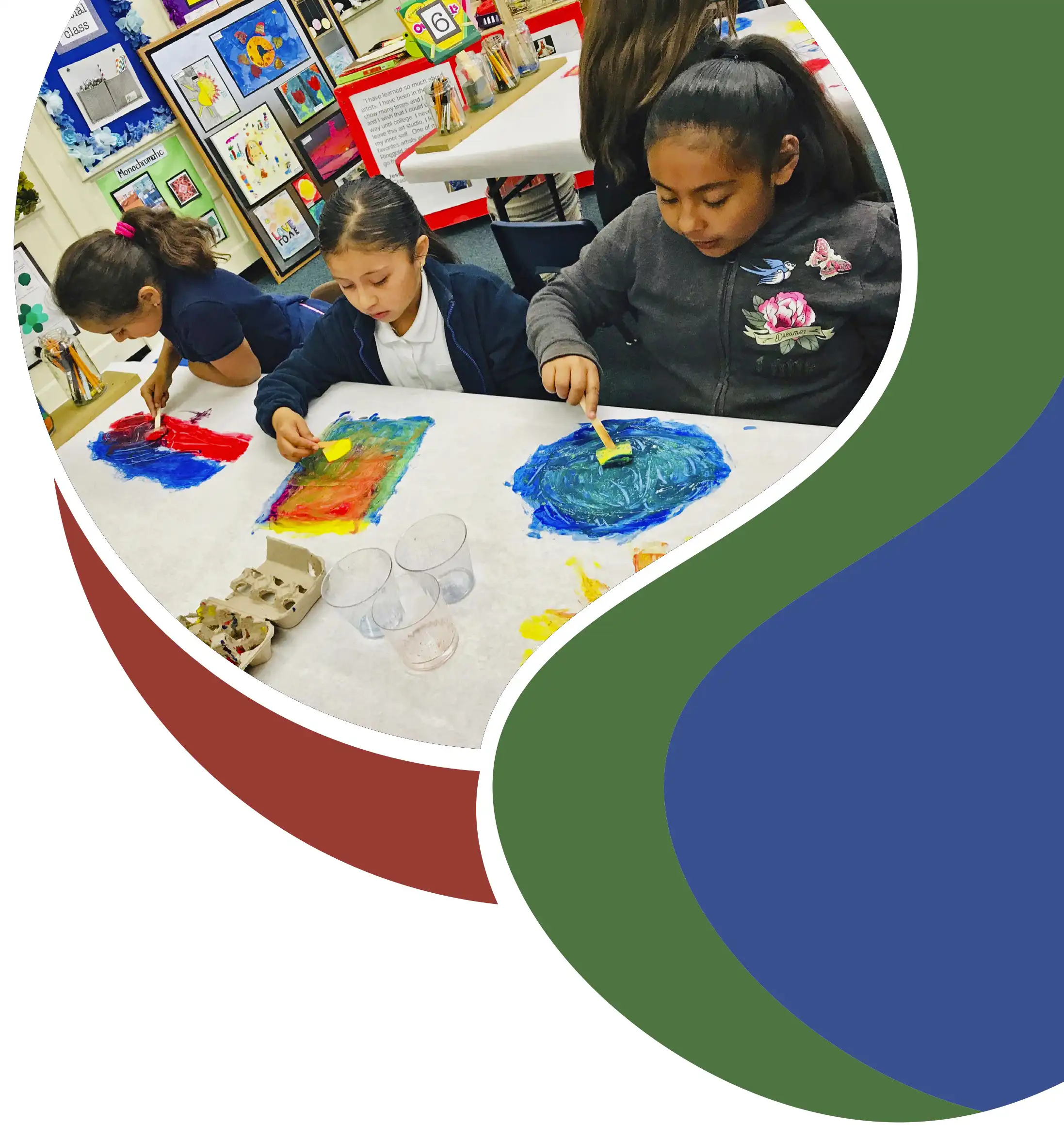
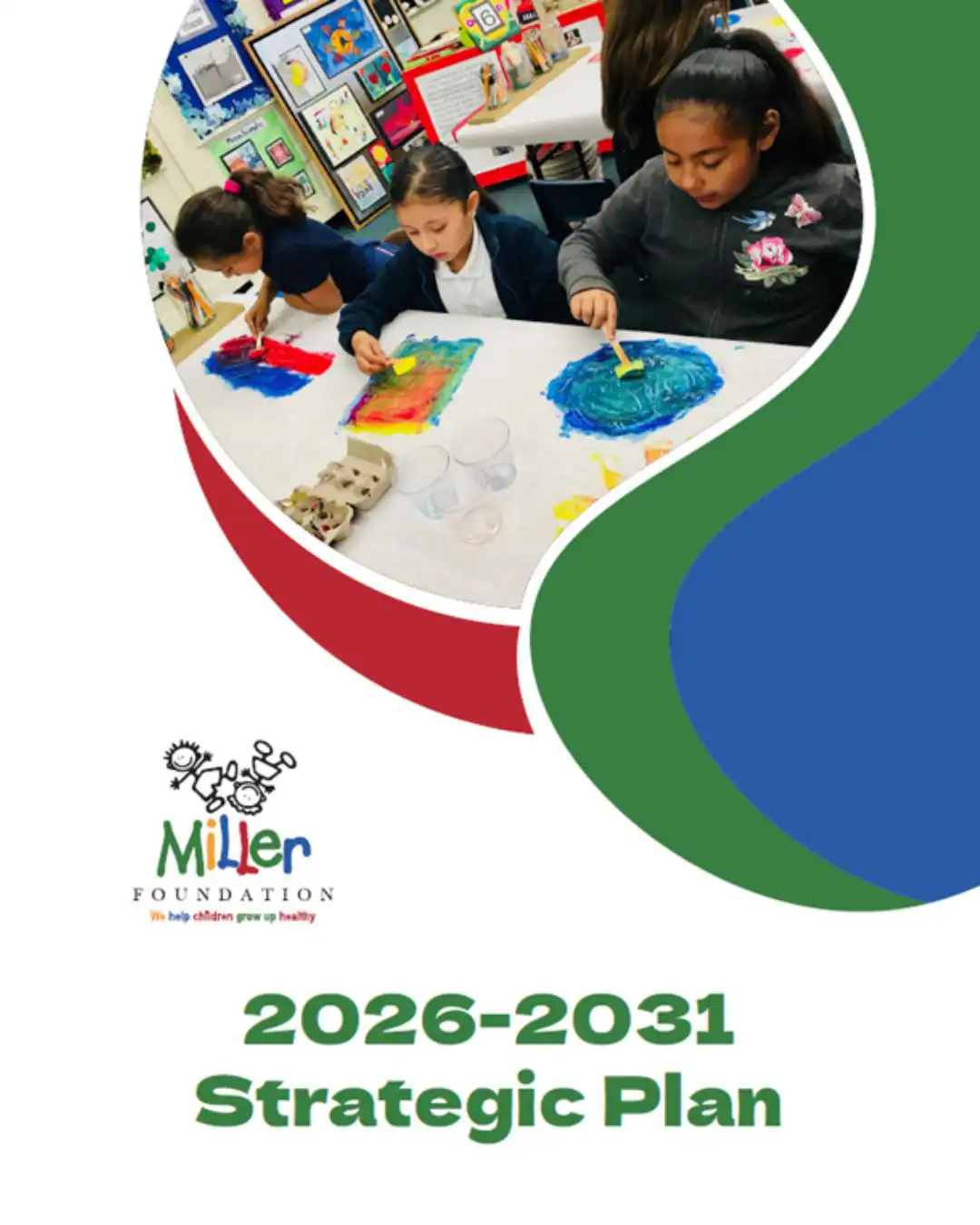
Arts programming will continue to be funded under both youth mental health and educational success. We know that the arts provide youth with tools for self-expression, help ease anxiety and depression, and aid in healing from trauma. Involvement in the arts is also known to improve academic performance, foster creativity, boost socio-emotional development and increase school engagement.
My nonprofit provides medical care and treatment. Where do we fit into the new funding priority areas?
Under our new strategic plan, basic needs and family resources include essential services such as health care and health insurance, food security, shelter/housing, and clothing.
Does this signal a reduction in total available funding or to specific areas?
No. Our available funding is determined through an annual budgetary process that considers available resources, investment performance, revenue trends and operating needs. We will continue to prioritize nonprofit support at a level that is impactful and thoughtful.
Will there be a gap in funding while the Foundation transitions to the new strategy?
No, we will continue to provide funding, both through our annual grants process and discretionary contributions, as in past years. There will be no suspension in gifting.
Does the new strategic plan require tracking new types of data or metrics?
The new plan does not require every grantee to track the same data or adopt a specific set of metrics. However, the Foundation is placing greater emphasis on learning, accountability and understanding the impact of our grantmaking. Grantees may be asked to share existing data, outcomes, or other evidence that helps show how the funded work is benefitting children, youth, families and communities.
Will the new strategy require more intensive reporting or more staff time?
The new strategy may require some changes in how we learn from and communicate with our grantee partners, including possible conversations, updates or reporting aligned with the goals of the grant. Our intent is not to create unnecessary administrative burden, but to ensure that we are learning from our partners, understanding the impact of our funding, and using that insight to support children, youth and families as effectively as possible.
We will work to keep reporting expectations clear, reasonable and aligned with the size and nature of each grant.
Will you continue to provide capacity-building support and core operations?
Yes, we have consistently funded both and will continue to do so in order to support nonprofits where needed most.
How does the funder define “impact” in this new phase?
For the Earl B. and Loraine H. Miller Foundation, impact is the measurable, long-term, and positive change in the state of the community or a specific group that is directly attributable to a grantee’s intervention.
While outputs represent what a nonprofit did (e.g., number of meals served) and outcomes represent the immediate results (e.g., people are not hungry today), impact represents the enduring effect (e.g., reduction in long-term food insecurity within the community).
We have other questions. Where can we find answers?
Miller Foundation staff wants to hear from you. Contact us at info@eandlmillerfdn.com, call us at 562.493.4711, or follow us on social media on most platforms (facebook, Instagram, Threads, linkedin, youtube)